

Market Updates
PG Accommodations: Complete Guide to India's Top Rental Choice
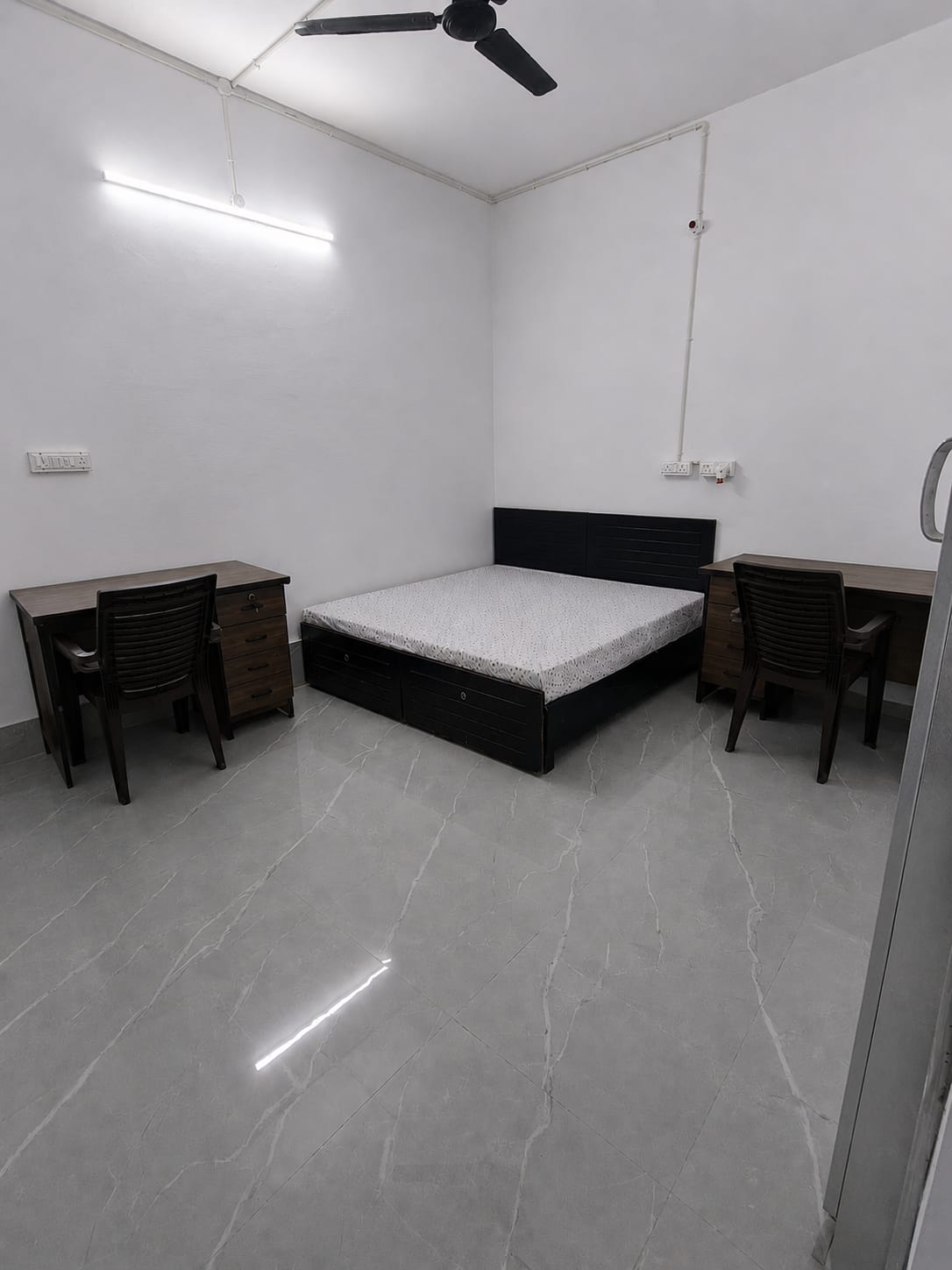
PG accommodations are a popular choice for students and young professionals seeking affordable and convenient living spaces in India. In this comprehensive guide, we'll explore everything you need to know about PG accommodations, from types and amenities to tips for a smooth experience. Whether you're moving to a new city or simply looking for a better rental solution, understanding PGs can make your search easier and more effective.
Introduction to PG Accommodations
What are PG Accommodations?
"PG" stands for "Paying Guest," a housing arrangement where tenants rent rooms in a residential property, sharing common areas with other residents. PG accommodations are especially popular among students, working professionals, and those relocating for short-term assignments. Unlike traditional apartments, PGs often include services such as meals, laundry, and cleaning, making them a hassle-free option for those new to a city.
Difference Between PG and Other Housing Options
PG accommodations differ from hostels, apartments, and flats in several ways. Hostels usually cater to students and have strict rules, while apartments and flats require tenants to manage their own utilities and housekeeping. PGs offer a middle ground: more independence than hostels, but less responsibility than renting a flat. For a deeper comparison, check out our detailed guide on flat vs apartment vs PG vs hostel.
Types of PG Accommodations
Single vs Shared PG Rooms
PGs typically offer two main room types: single and shared. Single PG rooms provide privacy and personal space, ideal for those who value solitude. Shared PG rooms accommodate two or more residents, fostering social interaction and helping reduce costs. The choice depends on your budget, preferences, and need for privacy.
Gender-Specific PGs
Many PGs are gender-specific, catering exclusively to men or women. This ensures a safer and more comfortable environment, especially for female tenants. Some PGs also offer mixed-gender accommodations, but these are less common and often have stricter rules regarding visitors and shared spaces.
Luxury vs Budget PGs
PG accommodations range from budget-friendly options with basic amenities to luxury PGs offering premium services like air conditioning, gym access, and high-speed internet. Budget PGs are ideal for those looking to save money, while luxury PGs cater to those who want extra comfort and convenience. The choice depends on your lifestyle and financial priorities.
Key Features and Amenities in PGs
Basic Facilities Offered
Most PGs provide essential facilities such as a bed, wardrobe, study table, and access to shared bathrooms. Common areas like kitchens and living rooms are usually available for all residents. The level of furnishing varies, so it's important to clarify what's included before moving in.
Security and Safety Measures
Safety is a top priority in PG accommodations. Many PGs employ security guards, CCTV surveillance, and secure entry systems. Some also have strict visitor policies to ensure residents' safety. When searching for a PG, pay attention to these measures and ask about the property's security protocols.
Additional Services (Meals, Laundry, Wi-Fi)
PGs often include value-added services such as daily or weekly meals, laundry, and Wi-Fi. Meal plans can range from breakfast-only to full board, while laundry services may be self-service or managed by staff. Reliable Wi-Fi is a must for students and professionals, so confirm the internet speed and availability before finalizing your PG.
Choosing the Right PG Accommodation
Factors to Consider (Location, Budget, Rules)
Choosing the right PG involves weighing several factors:
- Location: Proximity to your college, office, or public transport can save time and money.
- Budget: Know your financial limits and compare PGs accordingly.
- Rules: Every PG has its own set of rules regarding visitors, timings, and use of facilities. Make sure you're comfortable with them.
For a complete checklist, visit our article on how to choose the best PG accommodation.
How to Inspect a PG Before Finalizing
Before moving in, inspect the PG thoroughly. Check the cleanliness of rooms and common areas, test appliances, and look for signs of pest infestation. Speak with current residents to gauge their satisfaction with the property. This step is crucial to avoid unpleasant surprises and ensure your comfort.
Questions to Ask the Landlord
When visiting a PG, ask the landlord about:
- Included amenities and services
- Security measures
- Maintenance policies
- Guest and visitor rules
- Payment terms and notice period
Clear communication helps set expectations and prevents misunderstandings during your stay.
Pros and Cons of PG Living
Advantages of Staying in a PG
- Affordability: PGs are generally cheaper than renting a full apartment.
- Convenience: Services like meals and cleaning reduce daily chores.
- Community: Sharing spaces fosters friendships and support networks.
- Flexibility: Short-term rental options are available, ideal for students and interns.
Potential Challenges and How to Overcome Them
- Lack of Privacy: Shared rooms can feel crowded. Opt for a single room if privacy is a priority.
- Strict Rules: Many PGs have curfews and visitor restrictions. Discuss these beforehand to avoid surprises.
- Limited Personalization: PGs often restrict decorating or modifying rooms. Adjust expectations accordingly.
- Noise and Conflict: Living with others can lead to disagreements. Open communication and mutual respect are key.
Tips for a Smooth PG Experience
Building Good Relationships with Roommates
Respecting each other's space, sharing responsibilities, and communicating openly are essential for harmonious PG living. Organize regular meetings to discuss issues and celebrate milestones together.
Managing Finances and Expenses
Keep track of rent payments, utility bills, and shared expenses. Use apps or spreadsheets to split costs and avoid confusion. Setting a monthly budget can help manage your finances and prevent overspending.
Adapting to PG Rules and Culture
Every PG has its own culture shaped by its residents and management. Adapting to rules, participating in group activities, and being considerate can enhance your experience. If you're unsure about certain policies, clarify with the landlord or senior residents.
For more practical advice, read our guide on PG rules in India.
Conclusion
Summary of Key Points
PG accommodations offer a unique blend of affordability, convenience, and community living. Understanding the types, amenities, and rules can help you make an informed decision. Always inspect the property, clarify services, and communicate openly with landlords and roommates.
Final Advice for PG Seekers
Take your time to research and visit multiple PGs before settling on one. Consider your priorities—privacy, budget, location—and ask the right questions. With the right approach, PG living can be a rewarding and comfortable experience. For more tips and listings, explore our platform and discover the best PG accommodations tailored to your needs.
Source: Cribliv editorial
Questions & Answers
PG accommodations, or Paying Guest arrangements, are rental spaces where tenants rent rooms in a residential property and share common areas. They often include services like meals, laundry, and cleaning, making them ideal for students and professionals.
PGs offer more independence than hostels and less responsibility than apartments. Hostels usually have strict rules and cater to students, while apartments require tenants to manage utilities and housekeeping. PGs provide a balance with added services.
PGs usually offer basic facilities such as beds, wardrobes, study tables, shared bathrooms, and common areas. Many also provide meals, laundry, Wi-Fi, and security measures like CCTV and guards.
Consider factors like location, budget, rules, amenities, and security. Inspect the property, ask about included services, and clarify payment terms and notice periods with the landlord.
Pros include affordability, convenience, community, and flexibility. Cons may involve lack of privacy, strict rules, limited personalization, and potential noise or conflicts. Choosing the right room type and communicating openly can help overcome challenges.